Outer Banks History: Land of Beginnings
Learn how Outer Banks history shaped America through the Lost Colony, Virginia Dare, the Wright Brothers, and maritime traditions.
Published
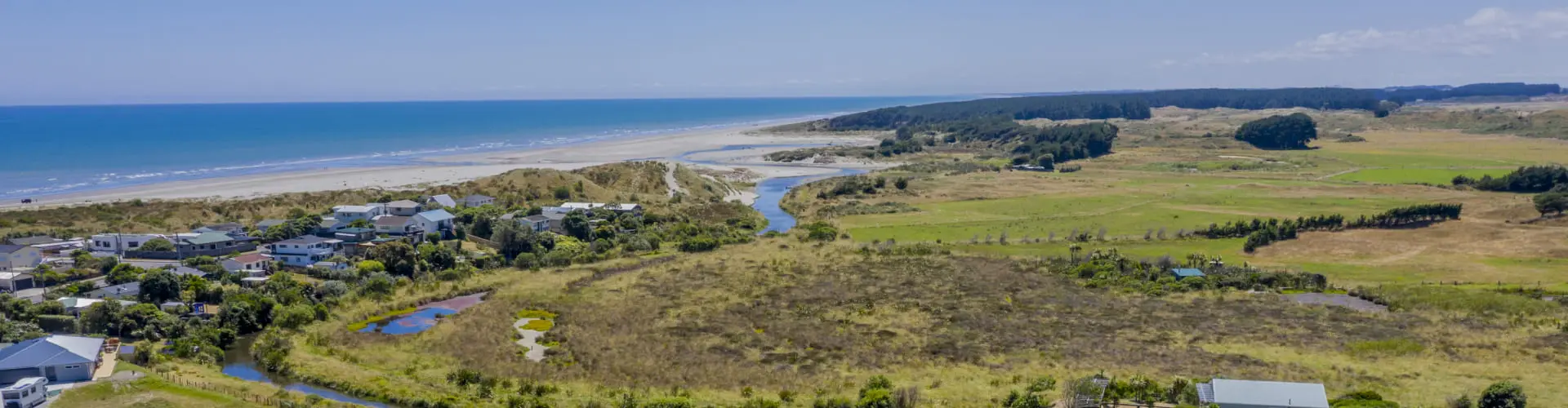
Visitors come to the Outer Banks for the beaches, but they stay for the stories. Because long before it became a beloved vacation destination, this string of barrier islands was the starting point for moments that changed history. The nickname “Land of Beginnings” isn’t just poetic. It reflects the remarkable role this thin line of barrier islands off the coast of North Carolina has played in shaping the story of America and even the modern world. From the very first English colony to the birth of powered flight and a coastline steeped in maritime history, the Outer Banks has repeatedly served as a launching point for new chapters in history.
The History Behind the Outer Banks
A Beginning That Still Mystifies: The Lost Colony of Roanoke
The story of the Outer Banks begins with one of America’s oldest and most enduring mysteries. In 1587, English settlers, sponsored by Sir Walter Raleigh, established a colony on Roanoke Island, now part of modern-day Manteo. This was the first attempt by the English to found a permanent settlement in the New World, predating Jamestown by 22 years and Plymouth by 35 years.When supply ships returned in 1590, the colonists had vanished. The only clue was the word “CROATOAN” carved into a post, thought to refer to Croatoan Island (now called Hatteras Island) or a local tribe. To this day, the fate of the Lost Colony remains one of history’s great enigmas.This attempt at colonization marks one of the earliest European footholds in North America, and it’s why many consider the Outer Banks the literal cradle of future English settlements.
Where the New World’s First English Child Was Born
Even more historically significant is the fact that the Outer Banks was home to the first English child born in the New World. Virginia Dare, born August 18, 1587 was the first child born to English parents in the Americas, specifically in the Roanoke Colony. Daughter of Eleanor and Ananias Dare and granddaughter of Governor John White, she vanished along with the entire “Lost Colony” by 1590. Virginia Dare became an icon of early American history with her birth on Roanoke Island symbolizing hope and new beginnings for future settlers. Her name lives on across the region in towns, schools, and even on beach signs, as a reminder of the Outer Banks’ foundational place in early colonial history.
The Birthplace of Aviation: First Sustained Powered Flight
If the 1500s represent the Outer Banks’ distant beginnings, then December 17, 1903 marks the dawn of a new era, for not just the islands, but for the entire world. On the sandy windswept dunes of Kill Devil Hills, near Kitty Hawk, brothers Orville and Wilbur Wright successfully achieved the first powered, sustained, and controlled flight of a heavier-than-air machine.
Their first flight lasted just 12 seconds and covered only about 120 feet, but its impact was immeasurable as it ushered in the age of aviation and transformed global transportation forever.
Today, the Wright Brothers National Memorial stands atop the same sandy terrain, with markers showing the exact distances of each of their early flights and a museum featuring replicas of the original Flyer - a testament to innovation that began right on OBX.
Maritime History and the Graveyard of the Atlantic
The Outer Banks’ beginnings extend deep into the ocean itself. The waters off the Outer Banks have been treacherous for centuries. Shifting shoals, stormy seas, and unpredictable weather made navigating this stretch of the Atlantic extremely perilous. Nowhere is it more evident than the aptly named Graveyard of the Atlantic - an area where more than 5,000 vessels are believed to have wrecked over the past five centuries.
This legacy of shipwrecks, though a danger to sailors, shaped the culture and economy of the islands. Local families became expert pilots, rescuers, and “wreckers”, retrieving cargo and supplies when ships met their fate on the shoals.
Today, the Graveyard of the Atlantic Museum in Hatteras Village brings this maritime history to life, with exhibits that trace centuries of shipwrecks, rescues, war-time naval activity, and the evolution of navigation along this fateful coastline.
The Outer Banks and Early American Lifesaving
The region’s maritime dangers also led to innovation on land. In the 19th century, the U.S. Life-Saving Service, a precursor to the modern Coast Guard, established stations along the Outer Banks where men risked their lives to watch the sea and rescue shipwreck survivors. These stations, along with the region’s lighthouses, played a crucial role in saving hundreds of vessels and lives.
This commitment to lifesaving and maritime stewardship echoes the broader theme of beginnings in community resilience and service.
From the lost hopes of the Roanoke settlers to the triumphant rise of human-powered flight, and from the secrets beneath the shipwreck-strewn waves to the courage of lifesavers and navigators, the Outer Banks holds a unique place in history. It’s no wonder the region is dubbed the “Land of Beginnings.” It witnessed some of the earliest chapters in America’s history and has continued to be a launching point for innovation, exploration, and cultural memory.
FAQ Suggestions
1) Why is the Outer Banks called the Land of Beginnings?
The Outer Banks earned the nickname “Land of Beginnings” because it was home to the Lost Colony, Virginia Dare’s birth, and the Wright Brothers’ first powered flight.
2) What was the Lost Colony of Roanoke?
The Lost Colony was the first English settlement attempt in the New World established on Roanoke Island in 1587 before the colonists mysteriously disappeared.
3) Why is Kitty Hawk famous?
Kitty Hawk and nearby Kill Devil Hills are famous as the location where the Wright Brothers achieved the first powered flight in 1903.
4) What is the Graveyard of the Atlantic?
The Graveyard of the Atlantic is a dangerous stretch of waters off the Outer Banks where thousands of ships wrecked over centuries.
5) What historical attractions can you visit in the Outer Banks?
Visitors can explore Roanoke Island, Wright Brothers National Memorial, Graveyard of the Atlantic Museum, and historic lifesaving stations across OBX.