
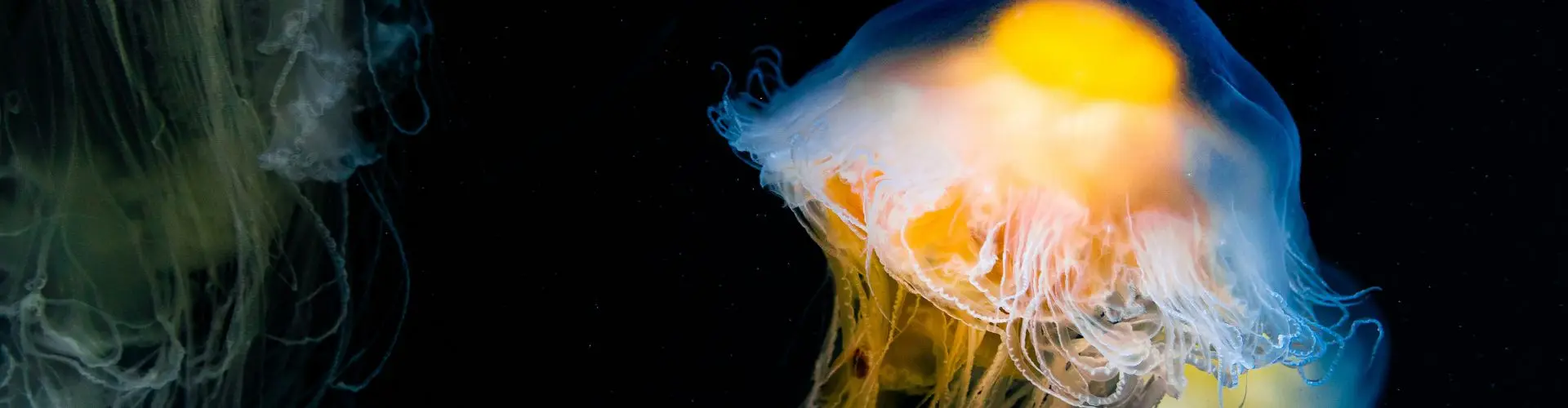
There are sunsets in the Outer Banks that stop you mid-sentence. There are also fierce storms that roll in. And then, on rare late-summer nights, there’s something even quieter - water that flickers blue when you touch it.
Bioluminescence, the natural production of light by living organisms, occasionally appears along North Carolina’s coast. It isn’t guaranteed, so it’s not advertised on tourism calendars, and it doesn’t glow every night. But when the conditions align, OBX can offer a subtle, unforgettable light show.
Here’s where and why you might see it.
What Causes Bioluminescence in OBX?
Along the North Carolina coast, bioluminescence is typically caused by microscopic plankton known as dinoflagellates. Species such as Noctiluca scintillans emit flashes of blue-green light when disturbed by motion — waves, paddles, fish, or even your hand in the water. According to the National Oceanic and Atmospheric Administration (NOAA), these organisms bloom in warm, nutrient-rich conditions. When concentrated near the surface in calm water, even small disturbances can trigger visible light. Unlike tropical bioluminescent bays (such as those in Puerto Rico), OBX displays are usually brief and subtle - spark-like flashes rather than glowing lagoons. And that fleeting quality makes it feel even more special.
The Outer Banks sit between the Atlantic Ocean and vast inland sounds. Warm water, tidal mixing, and nutrient inputs from estuarine systems create conditions that occasionally support plankton blooms. According to NOAA and regional marine research, North Carolina’s coastal waters experience periodic dinoflagellate growth during warm months. Whether those blooms become visible bioluminescence depends on concentration and calm surface conditions. Barrier islands like OBX also limit freshwater runoff compared to heavily urbanized coastlines which can sometimes help maintain clearer viewing conditions.
When Are Conditions Best?
While there’s no fixed “season,” the best chances typically occur -
- Late July through early October
- After several days of warm weather
- When water temperatures reach the mid-to-upper 70s°F (common in late summer, per NOAA buoy data)
- On calm, low-wind nights
- Around a new moon or when skies are very dark
Wind disperses plankton. Bright moonlight makes faint glows harder to see. So the best chances are when it is warm, still, and dark.
Best Places to Look in the Outer Banks
Because the Atlantic side often has strong surf, calmer sound-side waters usually offer better odds.
Pamlico Sound (Hatteras Island)
Hatteras Island borders the expansive Pamlico Sound, one of the largest lagoons on the U.S. East Coast. The conditions here are ideal as shallow water warms quickly and limited wave action allows plankton to accumulate. There’s also less light pollution in southern OBX communities like Avon and Buxton.
On especially still nights, kayakers have reported faint glowing trails following paddle strokes - tiny electric-blue sparks in otherwise black water, which is an unforgettable sight.
Ocracoke’s Harbor & Back Creeks
Ocracoke sits at the southern tip of the Outer Banks and is accessible primarily by ferry which naturally limits development and traffic. Lower light pollution improves night visibility. Shallow harbor areas and protected creeks offer calmer water than the open Atlantic. On rare warm nights following plankton blooms, small flashes have been observed when fish dart near the surface or when someone trails a hand through the water. Ocracoke’s quiet atmosphere makes even subtle glimmers feel amplified.
Roanoke Sound Near Manteo
The waters near Manteo and the Roanoke Sound are more sheltered than the Atlantic beaches. Protected coves, docks, and kayak launch points can occasionally reveal faint bioluminescent responses during warm, calm stretches of late summer. Because this area sits between larger bodies of water, nutrient conditions sometimes support plankton concentrations. Though again, it varies year to year.
Rare Atlantic Surf Displays
On exceptional occasions, the ocean itself may glow. When dinoflagellate blooms coincide with calm seas and minimal wind, breaking waves can flash blue as they collapse. However, because surf disperses plankton quickly, these displays are usually brief.The Atlantic side of OBX is better known for dramatic waves than consistent bioluminescence. If you see glowing surf here, you’ve hit a rare alignment.
OBX is not a consistently glowing coastline. What you see are often tiny sparks triggered by motion. Sometimes you’ll only notice it after your eyes adjust to the dark for 15–20 minutes. The experience might look like:
- A fish creating a streak of light beneath the surface
- Blue flecks where small waves meet the shore
- A soft shimmer trailing behind a kayak
It’s subtle. But once you see it, you won’t forget it.
How to Improve Your Odds
- Check moon phases (new moon is best).
- Avoid windy nights.
- Visit sound-side access points rather than high-surf beaches.
- Let your eyes fully adjust to darkness.
- Gently disturb the water with your hand or paddle.
- Be patient.
While the Outer Banks is famous for lighthouses, shipwrecks, wild horses, and wind, on rare nights, you can experience something magical with microscopic life lighting up the dark. You can’t schedule it, but if the water is warm, the sky is dark, and the wind finally rests, you just might see the ocean answer your touch with light.