The Outer Banks Is One of the Best Fishing Destinations on the East Coast. See Why.
Published
On the Outer Banks, fishing isn’t a side activity, it’s part of the culture. From casting for red drum in the sound at dusk to battling blue marlin offshore in the deep blue waters beyond the continental shelf, the Outer Banks offers something few destinations can - extraordinary variety within a single stretch of coastline. Ocean, sound, inlet, pier, flats, and Gulf Stream all sit within easy reach of each other.
Add in legendary tournaments, accessible piers, charter fleets that head out daily, and one of the most productive intersections of currents on the East Coast, and you begin to understand why the Outer Banks has earned a reputation as one of the premier fishing grounds in the United States and anglers return year after year.
Three Fisheries in One Location
The Outer Banks sit between the Atlantic Ocean and the vast Albemarle–Pamlico estuary system, the second-largest estuarine complex in the U.S. That means anglers have access to:
- Surf fishing along miles of open beach
- Sound fishing in shallow, calmer estuarine waters
- Inshore and nearshore fishing around inlets
- Offshore Gulf Stream fishing for pelagic species
Few East Coast destinations offer that diversity without requiring long travel between ecosystems. In OBX, you can cast for red drum in the morning and troll for mahi-mahi by afternoon.
The Gulf Stream Advantage
Perhaps the biggest differentiator is proximity to the Gulf Stream. Off Cape Hatteras, the warm Gulf Stream current swings unusually close to shore, sometimes within 20–30 miles. That’s far closer than in most other East Coast regions, where boats must travel much farther offshore to reach blue water. According to NOAA ocean current data, the convergence of the warm Gulf Stream and cooler Labrador Current near Cape Hatteras creates one of the most biologically productive fishing zones on the Atlantic seaboard. This mixing fuels plankton growth, which supports baitfish, which in turn attract apex species like Blue Marlin, White Marlin, Sailfish, Yellowfin Tuna, Wahoo, Mahi-mahi. So, OBX is regularly ranked among the top billfishing locations in the world.
World-Class Billfish Records
The Outer Banks Marlin is historic. Cape Hatteras has long been recognized as a global billfishing hotspot, thanks to that Gulf Stream proximity and underwater drop-offs that concentrate fish. Serious anglers travel from around the world to fish these waters.The Outer Banks hosts major high-stakes tournaments attracting world-class anglers, with many, such as the premier Pirate’s Cove Billfish Tournament, and seeing hundreds of billfish releases annually. In 2025, Team Deep Color, led by Captain Trey Goodson, had an outstanding victory. With a total of 2012.4 points, their win was highlighted by an impressive 806.2lb blue marlin brought to the docks.
Legendary Red Drum Runs
Each fall, OBX hosts one of the most famous red drum (redfish) migrations on the East Coast. Large “bull reds” move through the inlets and along the beaches during seasonal transitions. The North Carolina Division of Marine Fisheries identifies Cape Hatteras and Ocracoke as primary red drum habitat areas, particularly during spawning migrations. It’s not unusual during peak runs for anglers to land multiple 40+ inch fish in a single outing. That accessibility, catching trophy-sized fish directly from the beach, is rare elsewhere.
Oregon Inlet - A Natural Funnel
Oregon Inlet is one of the most productive fishing access points on the East Coast. Acting as a funnel between the Atlantic Ocean and the Pamlico Sound, it concentrates bait and predator species. The inlet supports Striped Bass, Speckled Trout, Flounder, Cobia and Spanish Mackerel. The surrounding waters are so productive that commercial and recreational fishing fleets have operated here for generations. According to North Carolina Division of Marine Fisheries economic reports, coastal fishing contributes hundreds of millions of dollars annually to the state economy with Dare County playing a significant role.
A Pier Culture with History
The Outer Banks maintains one of the strongest pier fishing cultures on the East Coast. Historic piers like Jennette’s Pier and Avalon Pier provide anglers access to deeper water without a boat. Jennette’s Pier, operated by the North Carolina Aquariums, also serves as a research and educational facility, monitoring fish populations and ocean conditions. Pier fishing offers year-round opportunities from king mackerel in summer to bluefish and drum in fall.
Seasonal Variety Keeps It Fresh
Unlike destinations limited to one peak season, OBX fishing evolves throughout the year. In spring, there is cobia, bluefish, speckled trout. In summer - tuna, mahi, marlin, flounder. In the fall, red drum, striped bass, king mackerel and winter sees striped bass runs in the sounds. This rotation keeps charters booked and repeat visitors returning. According to the North Carolina Wildlife Resources Commission, striped bass migrations through the Albemarle Sound region are among the most significant on the Atlantic Coast.
Accessibility for Every Level
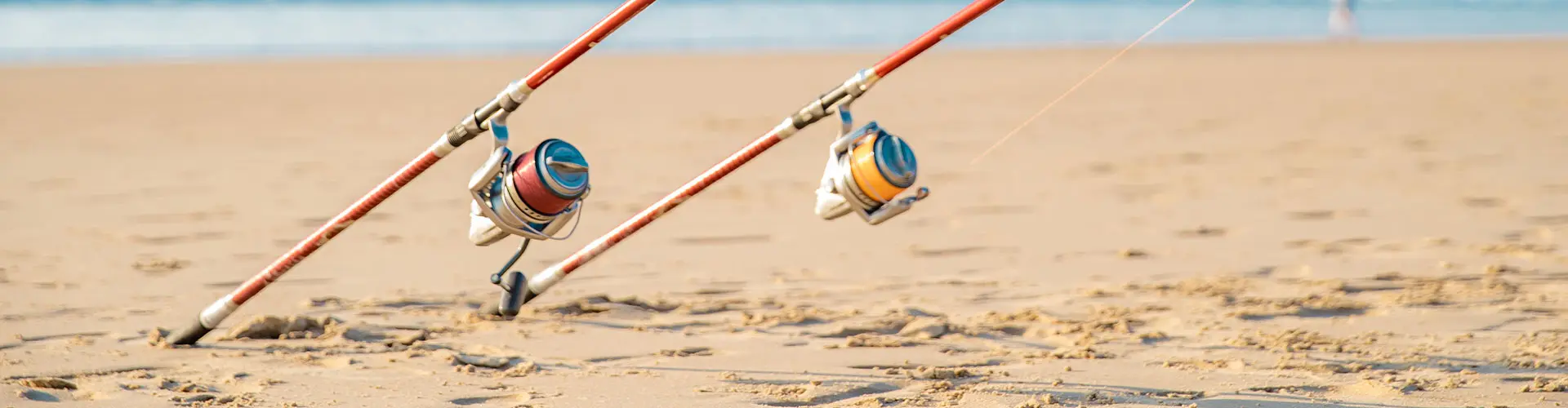
Not every fishing hotspot is beginner-friendly. OBX is. You can rent surf rods and fish from public beaches, book half-day sound charters, join full-day offshore expeditions, and fish from piers without a boat. That range supports both tourism and local participation. For families visiting the Outer Banks, fishing often becomes the highlight of the trip.
Fishing is one of the pillars of Outer Banks tourism. Coastal recreation, including fishing, accounts for a substantial portion of visitor spending in Dare County each year. Charter fleets, bait shops, tackle outfitters, seafood markets, and waterfront restaurants all depend on healthy fisheries and visiting anglers. Though, what makes the Outer Banks one of the best fishing destinations on the East Coast besides the species list is the unique experience. Few places offer the ability to stand on a windswept beach at sunrise, chase red drum in the surf, and be fighting a blue marlin offshore before sunset.