Most people arrive in Corolla with a checklist already in mind - the wild horses, the beach, the lighthouse, maybe a few restaurants before heading back to the rental house. And to be fair, those places are worth seeing.
But Corolla has another side that’s easy to miss if you only follow the obvious route. Beyond the busy beach access points and summer traffic, there are pockets of stillness that feel surprisingly untouched, places where the pace changes almost immediately.
These are the quieter corners of Corolla. The ones that may not be on itineraries, but often end up becoming the most memorable part of the trip.
One of the easiest places to overlook is the Currituck Banks Reserve, tucked near the northern end of Corolla before the 4WD beaches begin. At first glance, it doesn’t seem dramatic. There’s a modest trail entrance, a boardwalk disappearing into the trees, and not much else. But within minutes, the environment changes completely.
The reserve protects around 965 acres of maritime forest, marshland, and shoreline habitat, originally designated as one of the first National Estuarine Research Reserve sites in 1985.
What makes it special is the contrast. Most people associate the Outer Banks with open sand and ocean views. Here, you walk through dense live oaks, pine, wax myrtle, and shaded trails where the air feels cooler and quieter. The boardwalk eventually opens toward the sound, with long stretches of still water and almost no noise except birds and wind moving through the marsh. It feels far removed from the beach crowds only a few minutes away.
Further north, beyond the paved roads, Corolla becomes even quieter. The 4WD beaches leading toward Carova are often associated with the famous wild horses, but what many visitors don’t realize is how empty and undeveloped the area still feels once you move past the main access points.
The roads disappear. Houses become more scattered. The beach stretches wider and quieter. And suddenly, Corolla feels less like a vacation town and more like a remote coastline. The wild horses themselves add to that atmosphere. Descendants of Colonial Spanish Mustangs believed to have arrived centuries ago, they’ve become part of the identity of the northern Outer Banks. But the quieter experience isn’t necessarily about seeing the horses up close. In fact, locals often emphasize the opposite - keeping distance, staying quiet, and letting the environment remain undisturbed.
That mindset changes how you experience the area. You stop chasing sightings and start noticing the landscape itself - the dunes, the silence, the way the shoreline feels almost endless.
There’s also a quieter side to Corolla that appears in the early morning. Before 8 a.m., even popular areas feel different. The beaches are nearly empty. The light is softer. The air feels cooler and cleaner before the day fully begins. It’s one of the few times when Corolla reveals what it may have felt like decades ago, before the growth of vacation rentals and seasonal traffic.
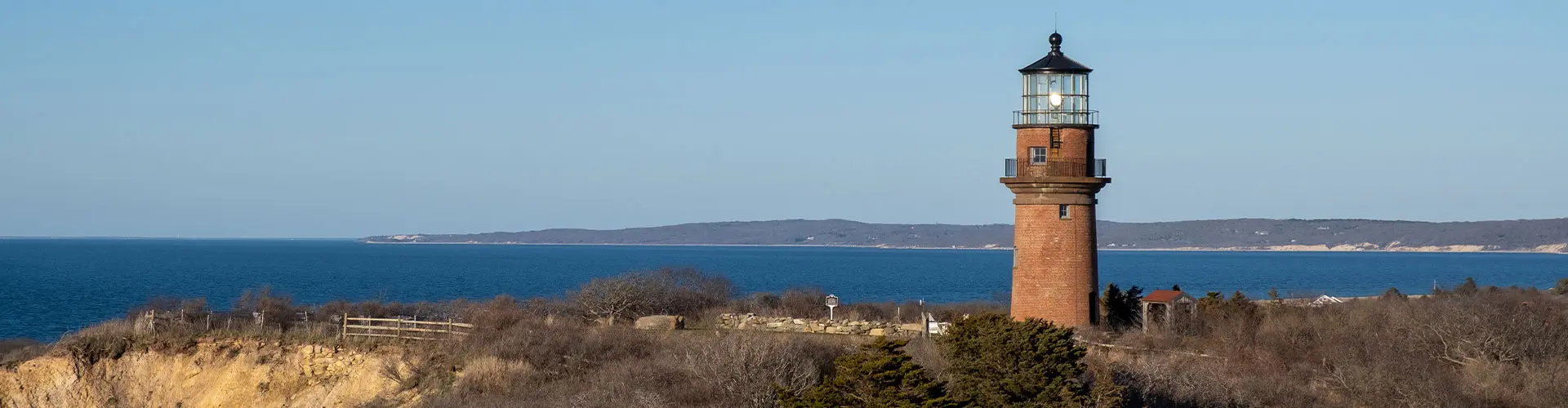
Even places that seem well known have quieter edges if you slow down enough. Around the Currituck Beach Lighthouse area, most people move quickly between attractions. But walk a little further away from the central flow of visitors, especially toward the sound side, and things soften considerably.
The sound itself is one of Corolla’s most underrated features. While the ocean gets most of the attention, the waters along the sound are calmer, quieter, and often more reflective, literally and emotionally. The sunsets here are beautiful. It’s a different kind of coastal experience, one built less around activity and more around stillness.
Part of what makes these corners feel hidden is that Corolla itself still holds onto a sense of separation. Unlike more commercial beach towns, there are limits to how much development can happen, especially in protected areas. Large stretches remain intentionally preserved, including maritime forests and estuarine habitats. That preservation shapes the feeling of the place with undeveloped stretches between neighborhoods and the absence of constant noise. Corolla’s northern beaches are often described as the “wildness of the Outer Banks at its finest.” And that’s probably the best way to describe its quieter side, not hidden exactly, just less interrupted.
The quieter corners of Corolla aren’t really attractions but moments you ease into like a shaded trail through maritime forest, a stretch of empty beach north of the main roads, still water along the sound at sunset and the sound of wind instead of traffic. And, that’s what makes the quieter side of Corolla worth finding.