When the weigh-in lines clear, the trophies are handed out, and the crowds disperse from an Outer Banks fishing tournament, most visitors assume the story ends there. But in many ways, that’s when the most important part begins.
What happens to the fish after an OBX tournament isn’t just a logistical question, it’s a window into how competitive fishing, conservation, science, and local communities are deeply intertwined along this stretch of coastline. Behind the celebration of big catches lies a carefully managed system designed to respect the ocean, protect fish populations, and, in many cases, give the catch a second life beyond the dock.
Catch, Release, and the Tournament Ethos
Not all tournaments are the same, and neither are their approaches to handling fish. In many offshore billfish tournaments, such as those held at Pirate’s Cove or Hatteras Village, release is the priority. Boats earn points not just for landing fish, but for tagging and safely releasing species like blue marlin, white marlin, and sailfish.
On tournament boats, crews are trained to minimize stress on the fish. Anglers bring them alongside the vessel rather than hauling them onto the deck, remove hooks quickly, and ensure the fish is swimming strongly before release. In these moments, the goal isn’t possession - it’s documentation. The fish is photographed, measured (sometimes), tagged for research, and sent back into the Atlantic.
For many captains and anglers, this isn’t just a rule, it’s a responsibility. They know that these apex predators play a critical role in ocean ecosystems, and protecting them helps sustain both the fishery and the sport.
Tagging - Turning a Catch into Science
One of the most fascinating outcomes of OBX tournaments is that many released fish contribute to scientific research. Several tournaments partner with organizations like the Billfish Foundation or other marine research groups to tag fish before releasing them. These tags collect data on migration patterns, growth rates, and survival after catch-and-release.
Years later, when a tagged fish is recaptured elsewhere, sometimes hundreds or even thousands of miles away, scientists gain valuable insight into how billfish move through the Atlantic. That means a fish caught off Hatteras could later be tracked near the Caribbean or Gulf Stream, helping shape better conservation policies. In this way, tournament fishing becomes less about competition and more about collaboration with the ocean.
When Fish Are Kept, What Then?
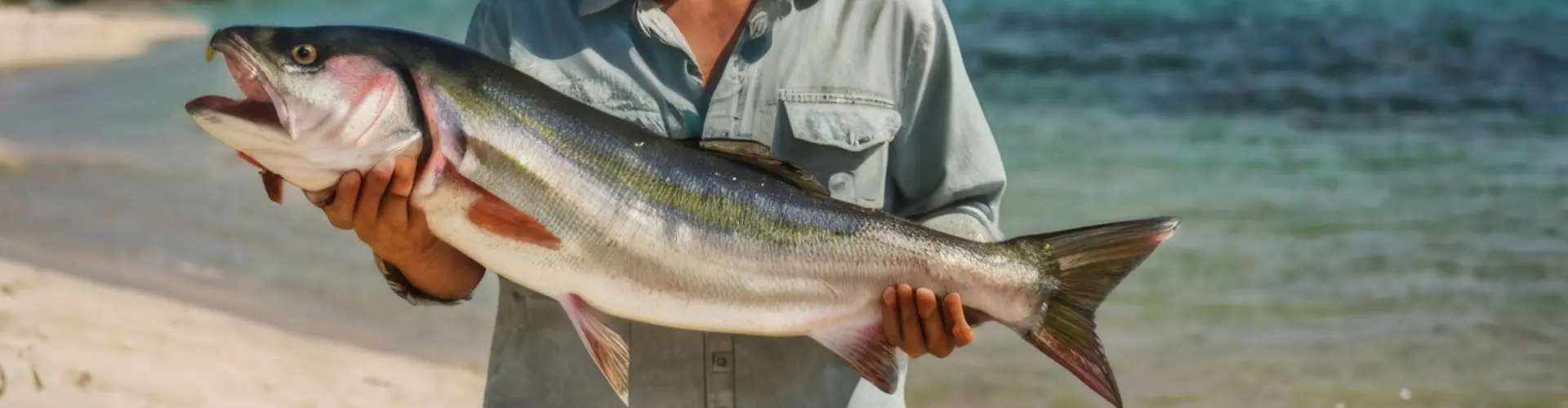
Not every tournament is strictly catch-and-release. Some events particularly inshore or surf fishing tournaments like the Hatteras Island Surf Fishing Challenge or NCBBA Red Drum Tournament involve keeping certain species within legal limits. When fish are kept, they rarely go to waste.
In many OBX tournaments, retained fish are:
- Shared among crews
- Donated to local food banks or community organizations
- Used in post-tournament fish fries or charity events
- Processed for local restaurants (in select cases and with regulations followed)
This keeps the tradition of using the catch alive while ensuring responsible use of marine resources.
One lesser-known aspect is that tournament organizers often work with local fish houses or processors to handle any large quantities of fish safely and legally, rather than leaving crews to manage it on their own.
The Role of Observers and Regulations
What many spectators don’t see is that tournaments are often closely monitored. Tournament directors, marine patrol officers, and sometimes independent observers ensure that all fish handling follows state and federal regulations. These rules govern everything from -
- What species can be kept
- Minimum size limit
- Approved tagging method
- Proper release techniques
This oversight helps maintain fairness in competition while also protecting vulnerable species.
From Competition to Conservation: A Cultural Shift
Over the past few decades, OBX tournaments have evolved significantly. Older fishing traditions often focused solely on landing the biggest fish. Today, many tournaments emphasize stewardship just as much as skill. Catch-and-release awards, conservation prizes, and research partnerships are now common.
For younger anglers, this creates a powerful lesson - being a good fisherman isn’t just about reeling in a trophy. It’s about respecting the resource.
The Human Side of the Aftermath
Beyond the fish, tournaments have ripple effects throughout the Outer Banks community. After the last weigh-in, many anglers stick around to share stories, swap techniques, and mentor newer participants. Local marinas buzz with activity, tackle shops see increased business, and charter captains often use tournaments as teaching moments for their crews.
In many ways, what happens after the tournament is just as meaningful as the competition itself - a blend of conservation, community, and continuity.
So, What Really Happens to the Fish?
- Some are carefully released and tracked.
- Some are responsibly kept and shared.
- Many contribute to science.
And all of them remind us why the Outer Banks remains one of the most respected fishing destinations on the East Coast. The next time you watch a boat return to the dock or see a dramatic weigh-in photo, remember, that moment is just one chapter in a much bigger story - one that continues long after the crowd has gone home.