Kelly’s St. Patrick’s Day Parade
Planning an OBX trip? Discover why Kelly’s St. Patrick’s Day Parade is one of the biggest community celebrations in the Outer Banks.
Published
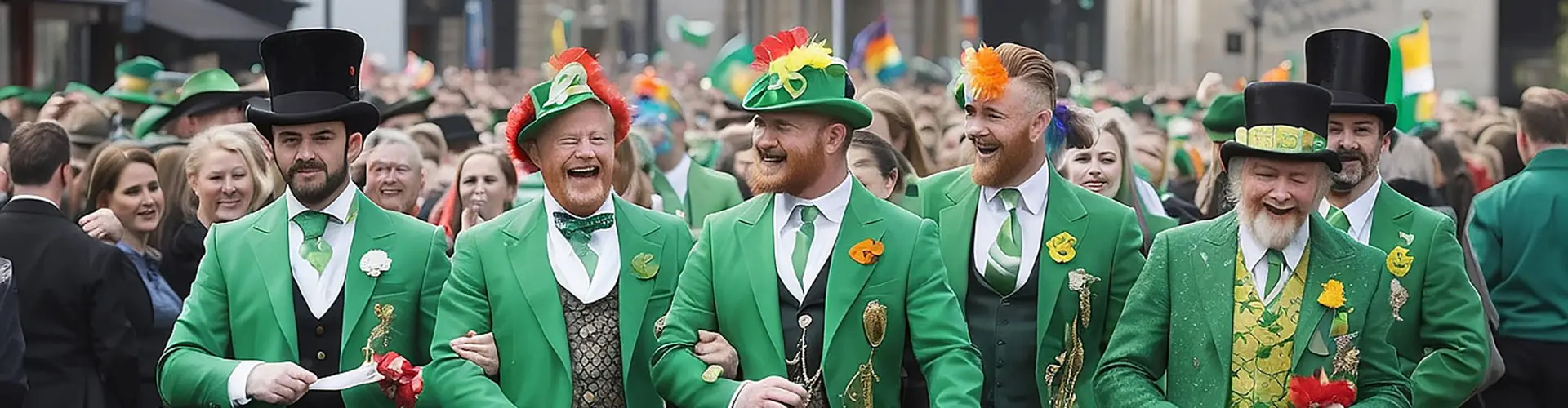
For more than three decades, Kelly’s St. Patrick’s Day Parade has marked the unofficial beginning of spring on the Outer Banks. It’s a day when locals line the streets of Nags Head, businesses reopen their doors, and the rhythm of the islands shifts from the quiet winter to community celebration. Bagpipes echo between sand dunes and surf shops. Families line up early with folding chairs. Kids chase beads across the pavement. What began as a lively St. Patrick’s Day tradition has grown into one of the Outer Banks’ most anticipated community gatherings.
But this year, Kelly’s St. Patrick’s Day Parade carries deeper meaning. As Dare County prepares to commemorate America’s 250th anniversary in 2026, this beloved local celebration becomes more than a seasonal festival - it becomes the unofficial kickoff to the county’s A250 commemorations, linking present-day community spirit with centuries of Outer Banks history.
How Kelly’s St. Patrick’s Day Parade Became an Outer Banks Tradition
Kelly’s Restaurant & Tavern launched the parade in 1990 as a way to bring the community together during the quieter shoulder season. What started as a modest gathering has grown into one of North Carolina’s largest St. Patrick’s Day parades.
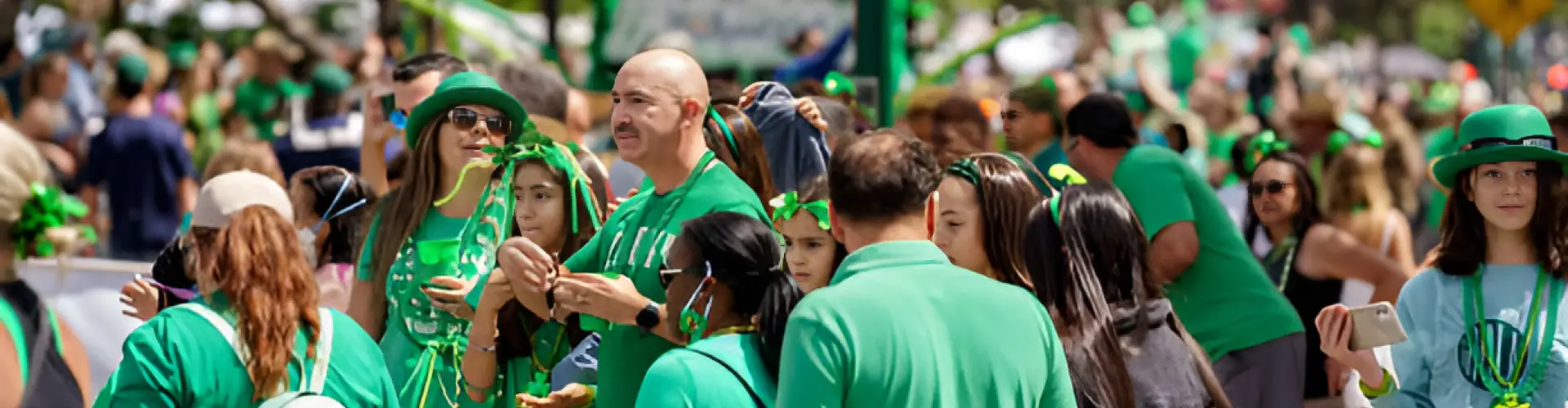
Held annually along the Beach Road in Nags Head, the parade features marching bands, first responders, local nonprofits, veterans’ groups, businesses, and regional cultural organizations. Thousands attend each year, filling a stretch of coastline better known for summer tourism than early spring crowds.
Yet at its core, the parade has always been about community identity - celebrating heritage, honoring service, and bringing neighbors together. That foundation makes it a fitting prelude to Dare County’s 250th commemorative events.
Celebrating 250 Years
The 250th anniversary of American independence marks more than a national milestone - it resonates strongly in the Outer Banks. Just north of Nags Head stands Roanoke Island, home to one of the earliest English settlement attempts in the New World. In 1587, colonists established what became known as the “Lost Colony,” an enduring chapter in early American history.
While the Roanoke settlement predates the United States by nearly two centuries, it underscores the Outer Banks’ long-standing role in the broader American story. By the time the Revolutionary War began in 1775, North Carolina had already made its mark. The Halifax Resolves, passed in 1776, authorized North Carolina’s delegates to vote for independence, the first official action of its kind by a colony.
As Dare County joins national America 250 (A250) celebrations, the region reflects, besides independence, on its deeper roots in exploration, resilience, and maritime identity.
From Green to Red, White, and Blue
Kelly’s Parade may celebrate Irish heritage, but its structure mirrors something quintessentially American - civic participation. Local ROTC units march alongside fire departments. Veterans ride in classic cars. High school bands perform. Churches, nonprofits, and small businesses build floats that reflect both tradition and local character. In a sense, the parade which\ch is community-driven, volunteer-powered and multi-generational, functions as a rehearsal for larger patriotic commemorations to come.
As Dare County’s 250th events begin to roll out - from historical exhibits to public ceremonies - the spirit that animates Kelly’s Parade sets the tone. It demonstrates how cultural celebration and patriotism often intersect in small-town America. The Outer Banks has always blended influences - Indigenous history, English exploration, maritime commerce, lifesaving stations, and military service. Events like the parade show how modern OBX communities continue that layered tradition.
Tourism, Timing, and Shoulder Season Energy
There’s also a practical dimension. The parade lands in March, ahead of peak tourist season. It energizes local businesses at a time when the islands are waking up from winter. Restaurants fill. Shops reopen. Rentals see early bookings. That timing parallels the goals of A250 programming - drawing both residents and visitors into historical engagement before summer crowds dominate attention.
By linking a beloved seasonal tradition with broader commemorative themes, Dare County ensures that history feels accessible, unfolding on the street, surrounded by laughter and music.
A Celebration of Continuity
It would be easy to treat a St. Patrick’s Day parade and a 250th anniversary as separate events. But in places like the Outer Banks, the line between celebration and civic pride is thin. The same families who line up along the Beach Road in March often volunteer with local historical societies, preserve maritime traditions, or participate in commemorative events later in the year. Dare County’s role in American history didn’t end with the Lost Colony or the Wright Brothers’ first flight. It continues through everyday acts of civic participation - parades, commemorations, preservation efforts, and public gatherings.
As America approaches its 250th birthday in 2026, communities nationwide are asking how to mark the occasion meaningfully. In Dare County, the answer may already be visible each March. Where neighbors gather along the ocean, bagpipes play with the wind and there is a shared pride of heritage, and the place.
And the celebration doesn’t end when the last float passes. In fact, many local restaurants and bars turn Kelly’s St. Patrick’s Day into an all-day block party, extending the parade’s energy well into the afternoon and evening. In Nags Head and nearby towns, spots like Kelly’s Restaurant & Tavern, Tortugas’ Lie, and local pubs often host live music, Irish-inspired food specials, and festive drink menus to keep the party going.
Kelly’s St. Patrick’s Day Parade may begin with green banners and Irish cheer, but this year it adds a little more, opening the door to something broader - a reflection on 250 years of glorious American history, and the unique role the Outer Banks continues to play within it. The parade is just the beginning of a full day of community, food, and celebration that sets the tone for the year’s A250 festivities.
From parade to patriotism, the celebration is already underway.
FAQ’s
1) What is Kelly’s St. Patrick’s Day Parade?
Kelly’s St. Patrick’s Day Parade is one of the largest St. Patrick’s Day parades in North Carolina held annually in Nags Head, Outer Banks.
2) Where is the biggest St. Patrick’s Day parade?
The event takes place along Beach Road in Nags Head, North Carolina.
3) What day is the St. Patrick’s Day parade?
The parade is usually held every March before the peak tourist season begins in the Outer Banks.
4) What to eat on St. Patrick’s Day?
Popular St. Patrick’s Day foods include corned beef and cabbage, Irish soda bread, shepherd’s pie, and festive green desserts enjoyed during celebrations.
5) What are the origins of wearing green?
People wear green on St. Patrick’s Day because the color represents Ireland, Irish heritage, and the shamrock linked to Saint Patrick and good luck.