In the Outer Banks, seafood has always existed as part of daily life. Long before the restaurants, before the vacation homes, before tourism shaped the coastline, people here depended on the water. That connection hasn’t disappeared. It’s just quieter now, less visible unless you know where to look.
The geography of the Outer Banks plays a big role in this. The region sits between the Atlantic Ocean and vast inland waters like the Pamlico Sound and Albemarle Sound, two of the largest estuarine systems in the United States. These brackish waters, where freshwater meets saltwater, create an ideal environment for a wide range of species. Shrimp, blue crab, oysters, and fish like flounder and striped bass thrive here, shaped by tides, temperature, and season. This natural setup is why North Carolina remains one of the leading seafood-producing states in the U.S., landing hundreds of millions of pounds of seafood each year.
Early in the morning, before most visitors are awake, small boats head out into these waters. The people on them, often referred to simply as watermen, aren’t part of a large industrial system. Many work independently or within family-run operations, using methods that have changed very little over time. Crab pots are set and checked. Nets are cast and hauled. Shrimp are trawled when the season allows.
It’s physical, repetitive work, shaped as much by instinct as by knowledge. Tides, wind and timing matter. And unlike many modern industries, there’s no way to fully control the outcome. What’s caught that day is what moves forward.
By late morning or early afternoon, that catch begins its next step. In many parts of the Outer Banks, seafood doesn’t travel far. It moves from dock to local fish houses, then to markets or directly to restaurants. In some cases, the chain is even shorter, caught, cleaned, and served within the same community. This is what “dock to plate” actually looks like here. And it’s why the experience of eating seafood in OBX feels different, even if you can’t immediately explain why.
Seasonality plays a bigger role than most visitors expect. Blue crab is at its best in the warmer months. Oysters follow the old “R-month” rule, September through April, when cooler waters improve quality. Shrimp seasons shift depending on water temperature and regulations. These cycles are closely managed by the North Carolina Division of Marine Fisheries, which sets limits and seasons to protect long-term sustainability. The result is that menus change to show what’s available and reflect what’s happening in the water at that moment.
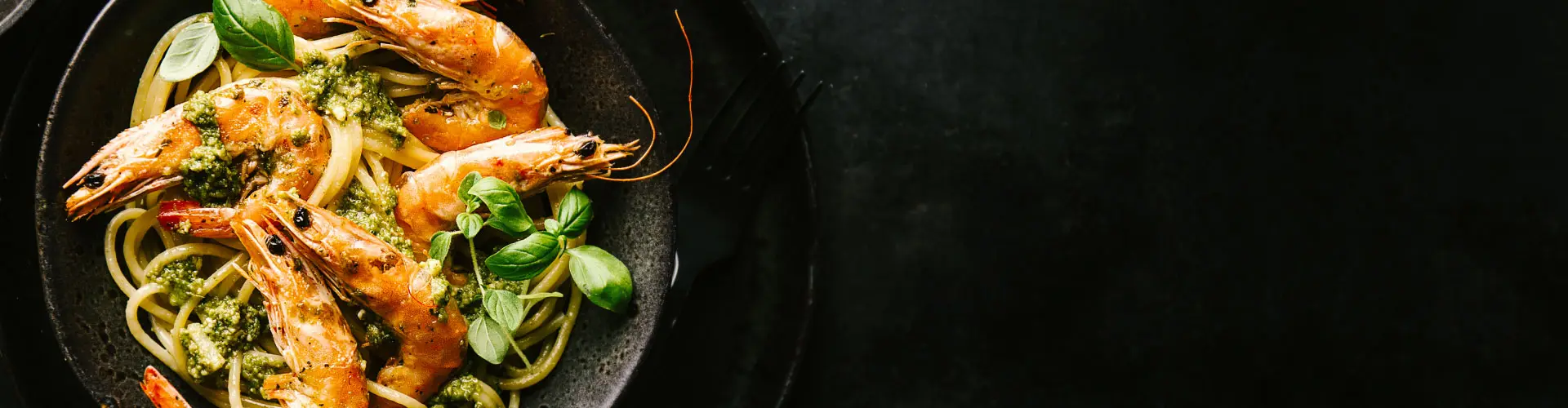
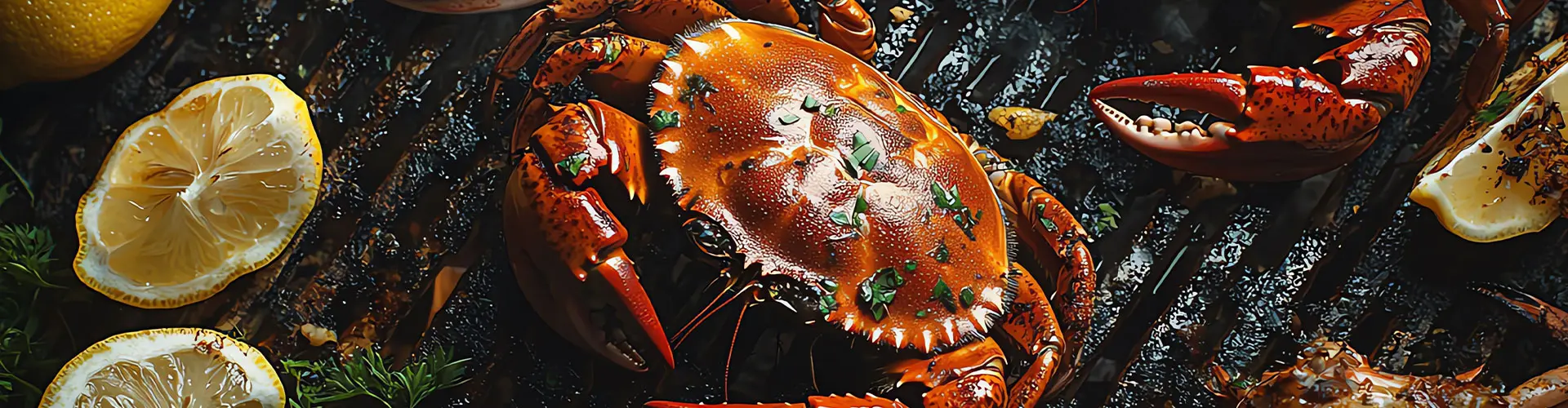
In a world where most food systems aim for consistency, OBX is about variation. That same mindset carries into how seafood is prepared. There are no overly complex presentations dominating the region. More often, the approach is simple - grilled fish, steamed crabs, lightly seasoned shrimp, with the focus on freshness. Because when something has come out of the water that day, it doesn’t need much else.
What many visitors miss is that some of the most authentic seafood experiences don’t happen in restaurants at all. Local fish markets are an important part of the culture. These are places where you can buy the catch of the day, sometimes still being processed as you arrive. Steamed crabs, fresh fillets, prepared sides, it’s all there, often sourced from nearby waters.
For those staying in rental homes, cooking seafood becomes part of the experience. It’s informal, unstructured, and closer to how locals have always approached it. There’s also a cultural layer that sits beneath all of this. Coastal communities in the Outer Banks were built on fishing, not as a lifestyle choice, but as a necessity. That history hasn’t disappeared. It shows up in the familiarity people have with the water, in conversations, in the absence of unnecessary formality around food.
However, this way of life faces real challenges. Climate change is affecting water temperatures and, in turn, the movement and availability of certain species. Regulations, while necessary for conservation, can impact the livelihoods of smaller operators. And like much of the U.S., the seafood market is influenced by imports, often cheaper, but far removed from the local ecosystem.
Despite this, the connection between water and table remains intact in OBX, largely because of the communities that continue to support it, fishermen who keep working the waters, markets that prioritize local catch, and restaurants that choose to source regionally.
For a visitor, the seafood on your plate isn’t just something you ordered. It’s part of a system that’s still close to its source, still shaped by nature, still dependent on people who know the water well enough to work with it instead of against it.That’s what makes the seafood culture of the Outer Banks different.