Driving on the Beach in Outer Banks: Complete Guide
Discover everything you need to know about driving on the beach in the Outer Banks, including permits, tire pressure, tides, and safety tips.
Published
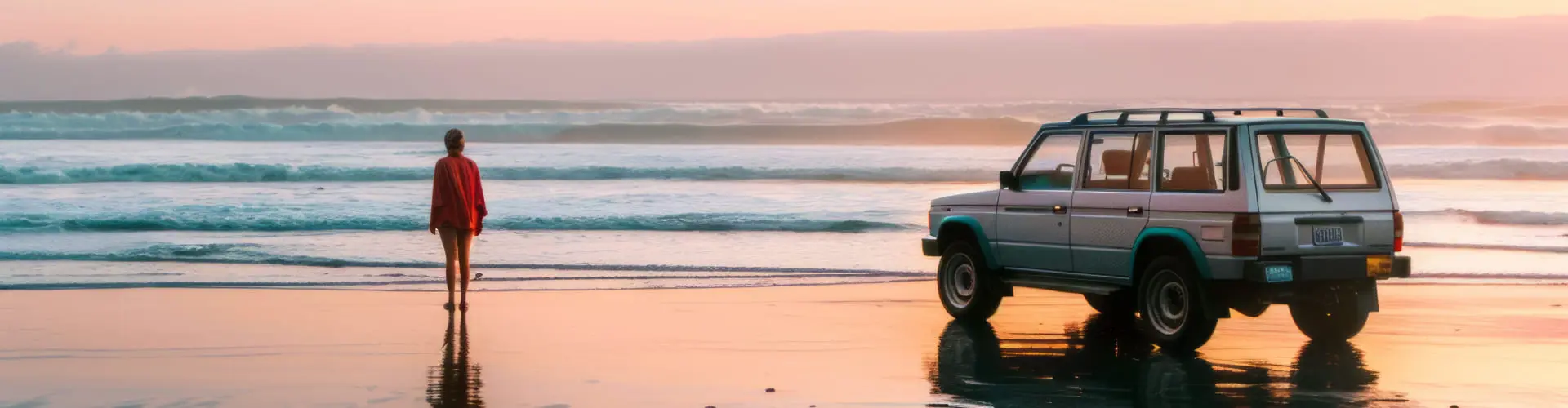
There’s something unforgettable about driving straight onto the sand in the Outer Banks with the Atlantic stretching beside you, fishing rods in the back, windows down, tires humming over packed shoreline. It feels adventurous and free. But beach driving in OBX isn’t spontaneous. It’s regulated, tide-dependent, and very different from regular road driving. And if you’re not prepared, it can quickly turn into a stuck-in-the-sand story you didn’t plan for.
If you’re thinking about driving on the beach in the Outer Banks, here’s what you really need to know before you try.
Driving on the Beach in OBX: Rules, Permits & Essential Tips
Not Every Beach Allows It
Beach driving is permitted only in designated areas, primarily:
- Corolla (4x4 area north of paved roads)
- Cape Hatteras National Seashore (various ORV ramps from Nags Head to Ocracoke)
You cannot just pull onto any stretch of sand. Each area has specific access ramps and rules. Before heading out, confirm the correct access ramp number, whether that ramp is currently open and whether nesting wildlife closures are in effect. Closures change seasonally, especially during sea turtle nesting (typically May–October) and shorebird nesting periods.
You Need a Permit - And It’s Not Optional
If you’re driving in Cape Hatteras National Seashore, you must have an ORV (Off-Road Vehicle) permit. Options include:
- 10-day permit
- Annual permit
Permits can be purchased online through the National Park Service or in person at visitor centers. Once purchased, you must display the permit properly on your vehicle. In the Corolla 4x4 area, a separate parking permit is required during the main season (typically late April through early October). Regulations are enforced and fines are real and rangers patrol regularly.
Your Vehicle Must Be Truly 4WD
All-wheel drive (AWD) is not the same as 4WD in soft sand. The minimum requirements are -
- True 4WD vehicle
- At least 7–8 inches of ground clearance
- No low-clearance sedans, vans, or crossover SUVs
Many rental companies prohibit beach driving in their contracts. Check your rental agreement before assuming you can take it on the sand.
Airing Down Is Not Optional -It’s Essential
This is where many first-timers go wrong. Driving on sand requires lowering tire pressure to increase surface area and traction. Typical recommendation is air down to 18–20 PSI (sometimes lower depending on conditions).
If you stay at highway tire pressure, you significantly increase your risk of getting stuck. Some important things to remember are -
- You must bring your own tire gauge.
- You need a portable air compressor to reinflate before returning to pavement.
- Gas stations near beach ramps often have long lines during peak season.
Tides Matter More Than You Think
Driving during high tide can trap vehicles against dunes or soft sand pockets. Before heading out, check the tide chart for the specific area, aim to drive during falling or low tide and avoid driving close to the waterline if waves are pushing high. Saltwater and engines do not mix. Even brief saltwater exposure can cause long-term vehicle damage. This is one of the most overlooked factors for visitors.
Wildlife Rules Are Strict and Violations Carry Heavy Fines
OBX beaches are active habitats. You may encounter Sea turtle nests (marked and protected), Shorebird nesting areas (closed sections) and Wild horses in Corolla. Rules include:
- Never approach wild horses (stay at least 50 feet away).
- Do not park within marked wildlife protection areas.
- Keep headlights off during turtle nesting season when possible at night.
Recovery Is Your Responsibility
If you get stuck, you must know that tow trucks are expensive and they won’t always reach you quickly. Do not rely on strangers to pull you out, and never attach tow straps to unsafe points under your vehicle. If you’re new to sand driving, go with another vehicle if possible.
Smart drivers bring along:
- Tow strap
- Shovel
- Traction boards
- A full tank of gas
Speed Limits and Safety
Safety comes first when driving on the beach. Pedestrians always have the right of way. Families, children, fishermen, and beachgoers may step into your path unexpectedly, so stay alert and ready to slow down.
Beach terrain is unpredictable. The sand can hide deep ruts, sudden dips, soft patches, and drop-offs. Maintain a steady, controlled speed, fast enough to keep momentum, but never aggressive. Sudden braking, sharp turns, or rapid acceleration can cause you to lose traction or get stuck.
Most beach driving areas enforce speed limits between 15–25 mph, depending on location. Speeds are lower near pedestrians, parked vehicles, wildlife, and posted conservation zones. Officers regularly patrol and issue citations. Driving slowly isn’t just about avoiding a ticket, it protects people, wildlife, and your vehicle.
The Corolla 4x4 Area Is Different
Unlike Cape Hatteras, the Corolla 4x4 area has no paved road access beyond a certain point. Once you drive north of the pavement, sand driving becomes your only route. This area is also where you may see the famous wild Spanish mustangs. It’s beautiful but remote. Fuel stations and services are not nearby. Plan accordingly.
Driving on the beach in the Outer Banks is one of the most unique experiences on the East Coast and can be incredible if you are prepared. Watching the sunrise from your truck tailgate or casting a line steps from your parked vehicle feels like freedom.
So, come prepared. Respect the rules. Watch the tides. Air down properly. Do it right, and beach driving in OBX won’t just be an activity, it’ll be one of the most memorable parts of your trip.
FAQ’s
1) Can you drive on the beach in the Outer Banks?
Yes, beach driving is allowed in designated areas like Corolla and Cape Hatteras National Seashore with proper permits and a 4WD vehicle.
2) Do you need a permit to drive on OBX beaches?
Yes, Cape Hatteras requires an ORV permit, while the Corolla 4x4 area may require seasonal parking permits.
3) What type of vehicle is best for beach driving?
A true 4WD vehicle with good ground clearance is recommended for safe driving on soft sand.
4) Where can you drive on the beach in OBX?
Beach driving is allowed in designated areas of the Outer Banks, mainly in Corolla’s 4x4 beaches and Cape Hatteras National Seashore with proper permits and 4WD vehicles.
5) Can you drive on the beach in Nags Head?
Yes, beach driving is allowed in certain nearby ORV access areas around Nags Head, especially within Cape Hatteras National Seashore, with a valid permit and approved 4WD vehicle.